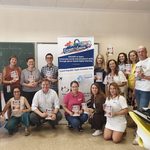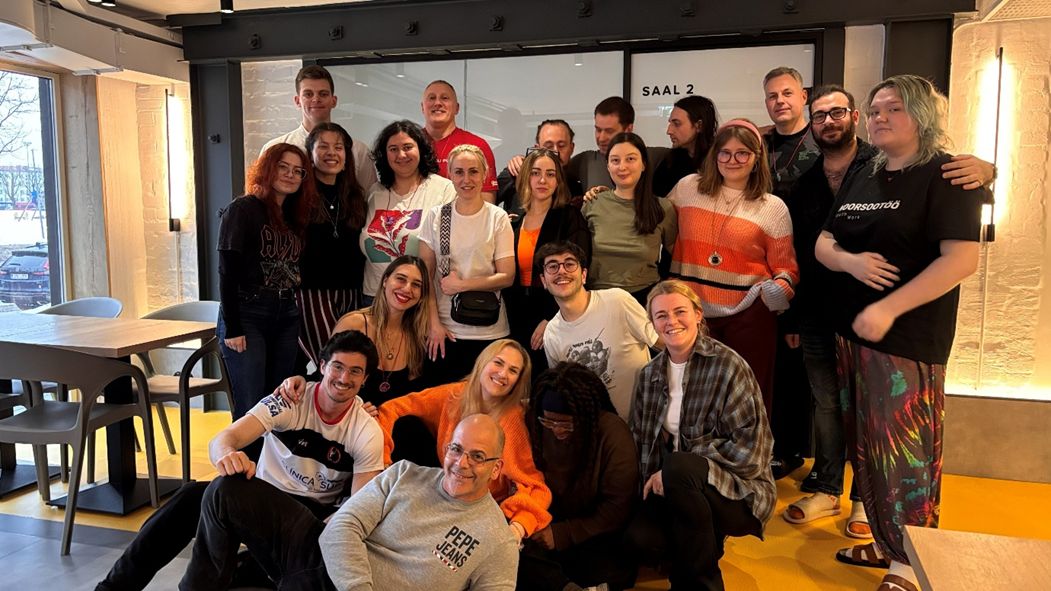
An international and intergenerational Erasmus+ event brought together 32 participants from Romania and Spain to discover how modern board games can overcome language and generational barriers while promoting meaningful face-to-face interaction.
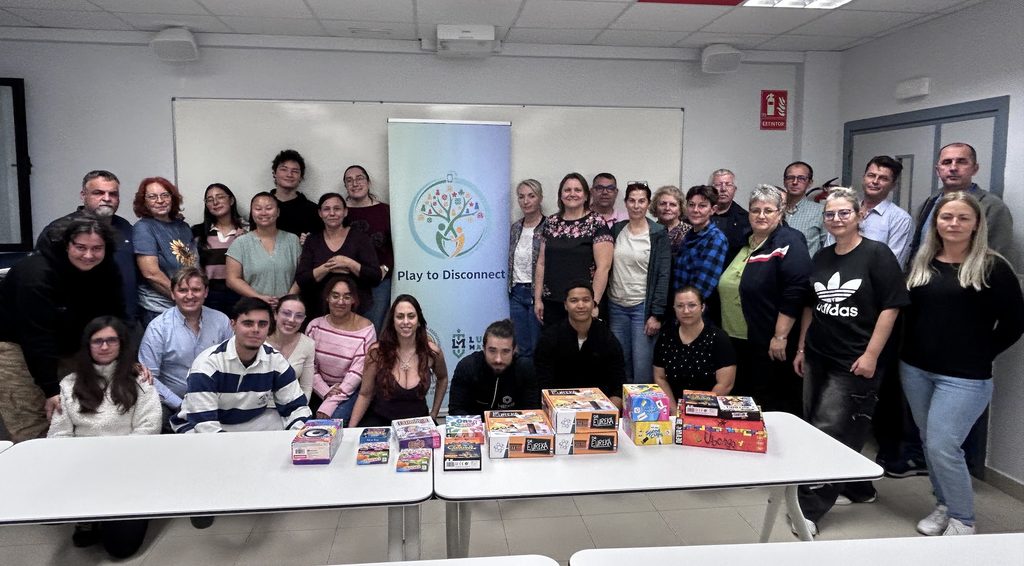
On 29 October 2026, Ludus Magnus organised an international and intergenerational multiplier event of PLAY2DISC – Play to Disconnect: Strengthening Families Through Non-Digital Engagement, bringing together 32 Romanian and Spanish participants at the European University Miguel de Cervantes (UEMC) in Valladolid.
The activity was made possible by the convergence of two European educational initiatives. On the one hand, a group of adults from the Parents for Children Association (APPC) in Romania was visiting Valladolid as part of an Erasmus+ KA121-ADU mobility project (2026-1-RO01-KA-121-ADU-000422596). On the other hand, the university was running Ludo Skills, an educational programme coordinated by the LudIA research group at UEMC, which uses modern board games to develop transversal competences among university students. This provided an excellent opportunity to connect both initiatives through PLAY2DISC, demonstrating how board games can bring together people from different countries, cultures and generations.
Discovering PLAY2DISC: Disconnecting to Reconnect
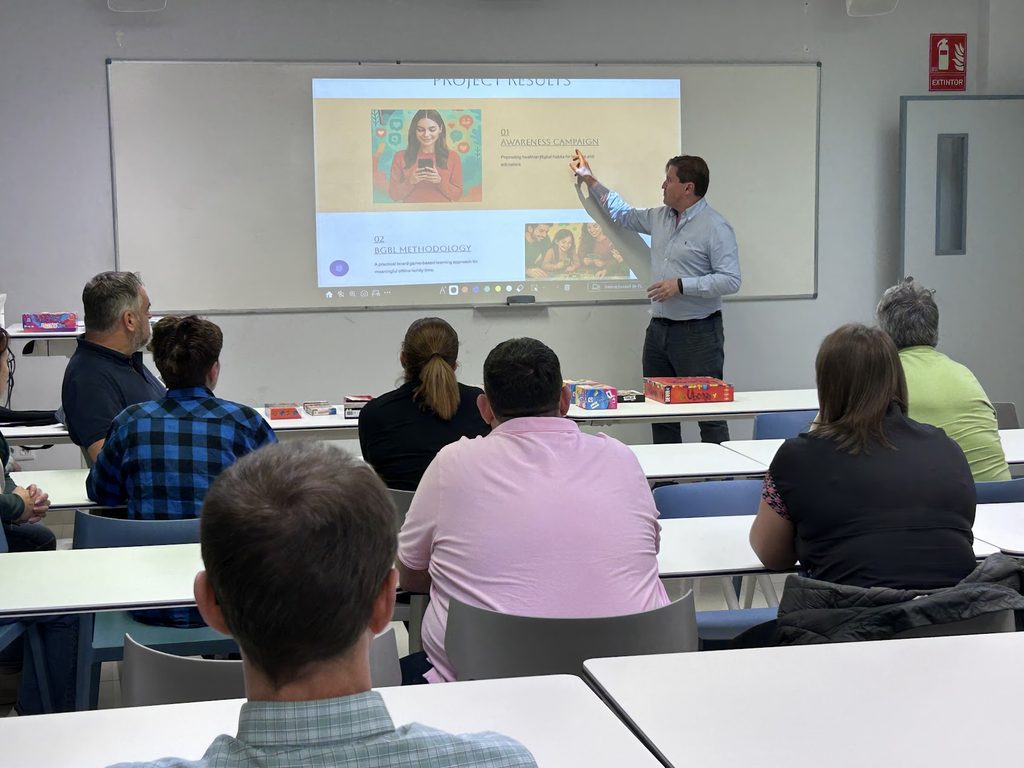
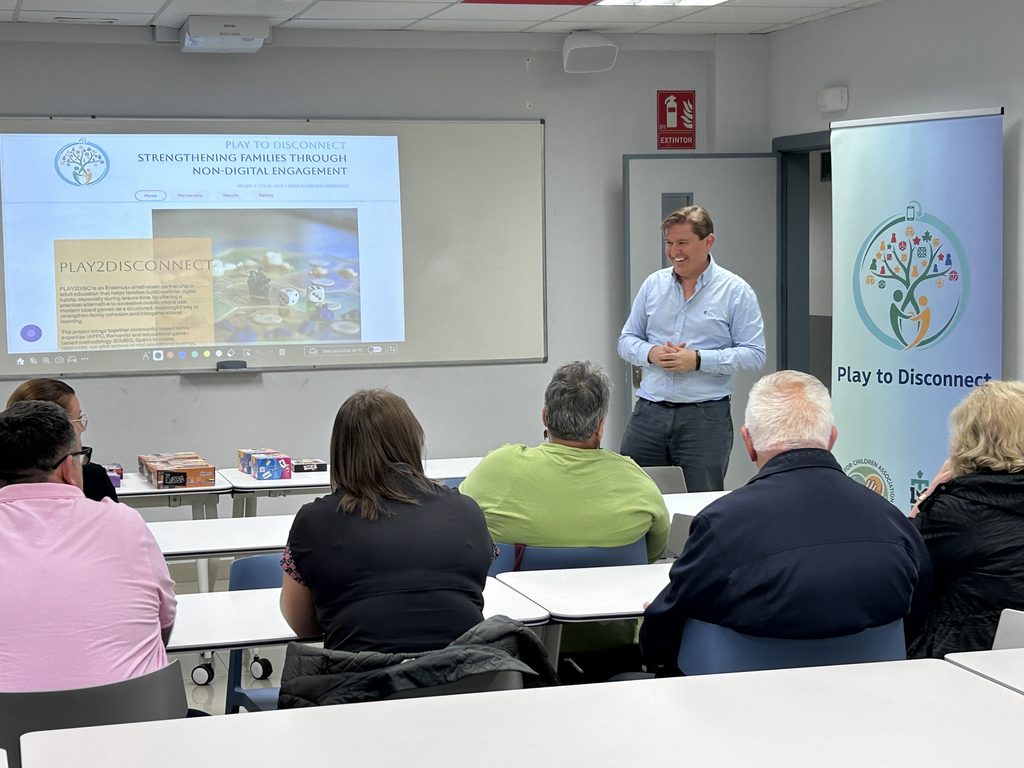
The event began with a presentation by the project coordinators, who introduced the objectives, activities and main results of PLAY2DISC. Participants learned how this Erasmus+ project, developed by APPC in Romania and EIMBG/Ludus Magnus in Spain, promotes responsible digitalisation and encourages families to rediscover meaningful offline leisure through modern board games. The presentation highlighted the project’s educational resources, including the Responsible Digitalisation Guide and the Board Game-Based Learning Methodology Guide, as well as the workshops and meeting spaces established in both countries. The main message was simple: technology is an important part of modern life, but meaningful human connections also need moments away from screens.
Different Generations, Different Countries, One Shared Language: Play
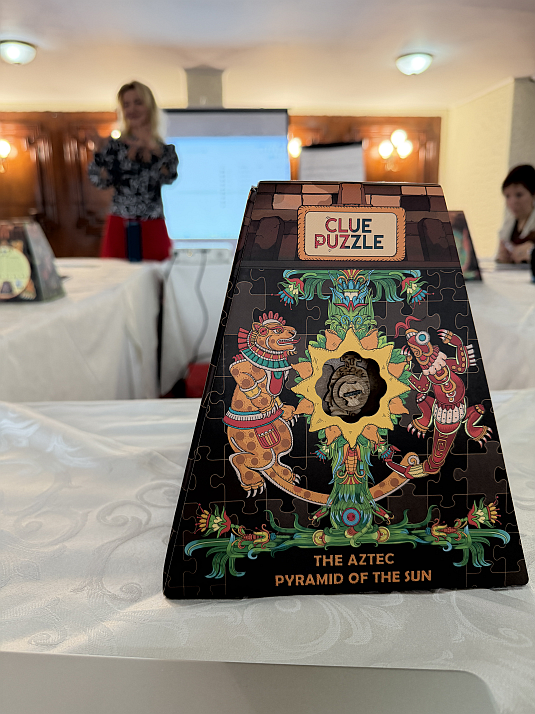
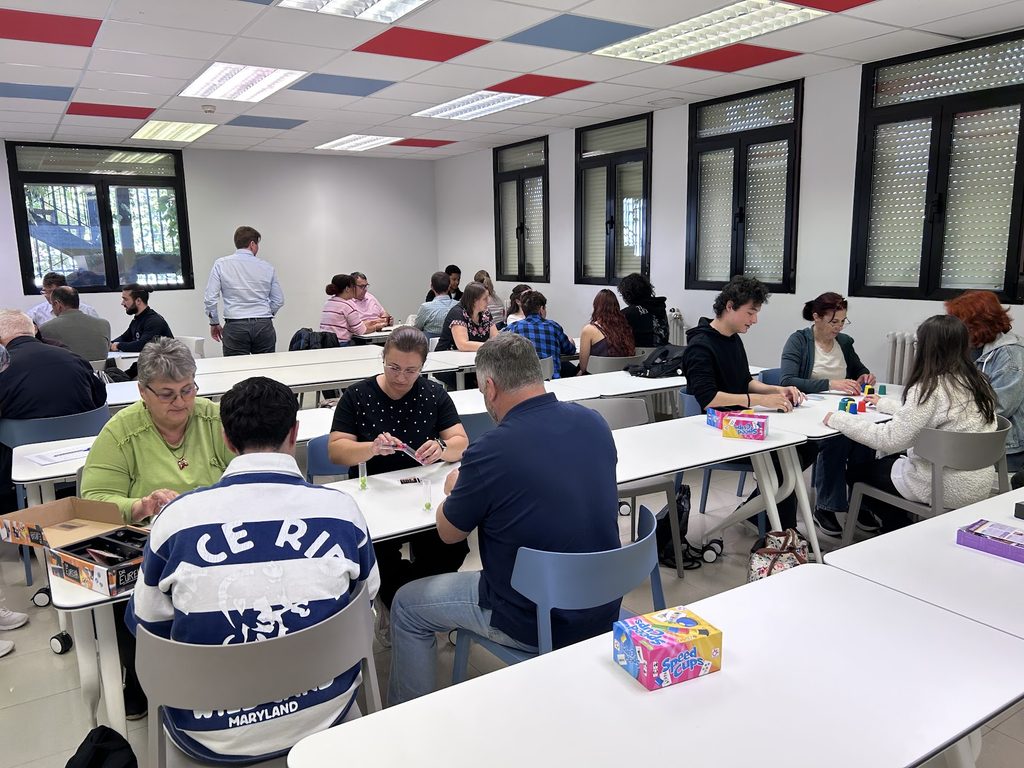
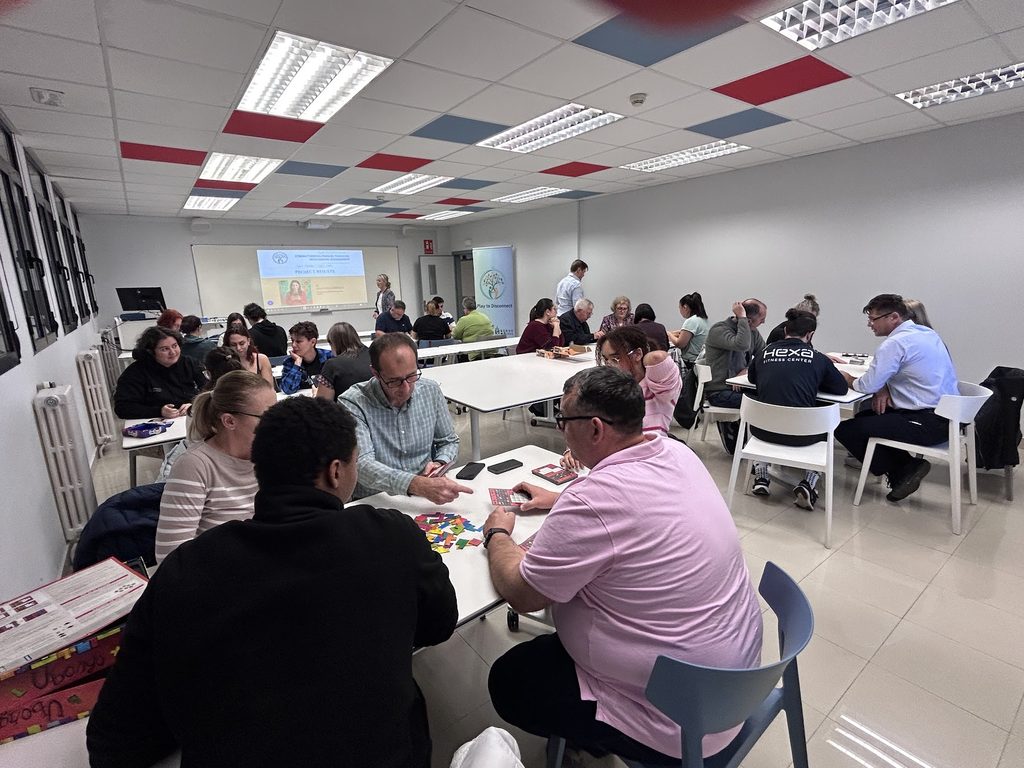
Following the introduction, participants took part in a practical board game workshop designed to demonstrate the methodology developed within PLAY2DISC. The 32 attendees were divided into mixed groups, ensuring that every table included participants from both Romania and Spain. Romanian adults and Spanish university students explored different modern board games suitable for shared family leisure, experiencing firsthand how these activities can promote communication, cooperation, problem-solving and social interaction.
English served as the common language throughout the workshop. However, as the games progressed, participants discovered that communication went far beyond words. Gestures, laughter, shared decisions, unexpected situations and the excitement of playing together helped create a relaxed and welcoming atmosphere. Despite differences in age, nationality and gaming experience, participants quickly found common ground around the table. For a few hours, cultural and generational differences became opportunities for interaction rather than barriers to communication.
Learning Through Play: The Connection with Ludo Skills
The involvement of students from the Ludo Skills programme added an important educational dimension to the activity. Coordinated by the LudIA research group at UEMC, Ludo Skills explores the potential of modern board games to support the development of transferable competences in higher education.
This international workshop provided students with an opportunity to apply their gaming experience in a different social and cultural environment, interacting with adult participants from another European country. At the same time, Romanian participants experienced the educational potential of modern board games alongside younger generations, reinforcing the value of intergenerational learning and shared leisure. The activity demonstrated how Board Game-Based Learning can be transferred across different contexts, from university education to family and community engagement.
A Shared Reflection: More Than Just Playing
The workshop concluded with a collective reflection on the experiences shared during the activity. This final discussion was particularly relevant to the PLAY2DISC methodology, which emphasises that the educational value of board games lies not only in playing, but also in reflecting on the interactions, decisions and emotions experienced around the table. The activity illustrated how modern board games can create opportunities for communication between generations, encourage mutual understanding and provide accessible alternatives to screen-based leisure. It also reinforced the importance of creating environments where people from different backgrounds can interact naturally, without the pressure of formal learning situations.
Voices Around the Table
The following illustrative reflections recreate the types of comments that an intergenerational workshop of this nature may inspire. They are not verbatim participant testimonials.
“At the beginning, I wondered whether the age difference would make it difficult to connect. After a few minutes of playing, I completely forgot about it. We were simply enjoying the game together.”
“My English is not perfect, but it didn’t matter. The games helped us communicate through gestures, laughter and shared decisions. We understood each other much better than I expected.”
“I usually associate board games with children, but today I discovered that they can be equally enjoyable for adults. I would love to organise something similar with my family.”
“Playing with people from another country made me realise that we have much more in common than we sometimes think. A board game is a wonderful way to break the ice.”
“The most interesting part was not winning or losing. It was how naturally we started talking, helping each other and laughing together, even though we had only just met.”
Discover PLAY2DISC
Project website: https://www.play2disconnect.com/
Board Game-Based Learning Methodology: https://www.play2disconnect.com/methodology
PLAY2DISC – Play to Disconnect: Strengthening Families Through Non-Digital Engagement (2025-1-RO01-KA210-ADU-000356923) is co-funded by the Erasmus+ Programme of the European Union.
Funded by the European Union. Views and opinions expressed are those of the author(s) only and do not necessarily reflect those of the European Union or the granting authority. Neither the European Union nor the granting authority can be held responsible for them.