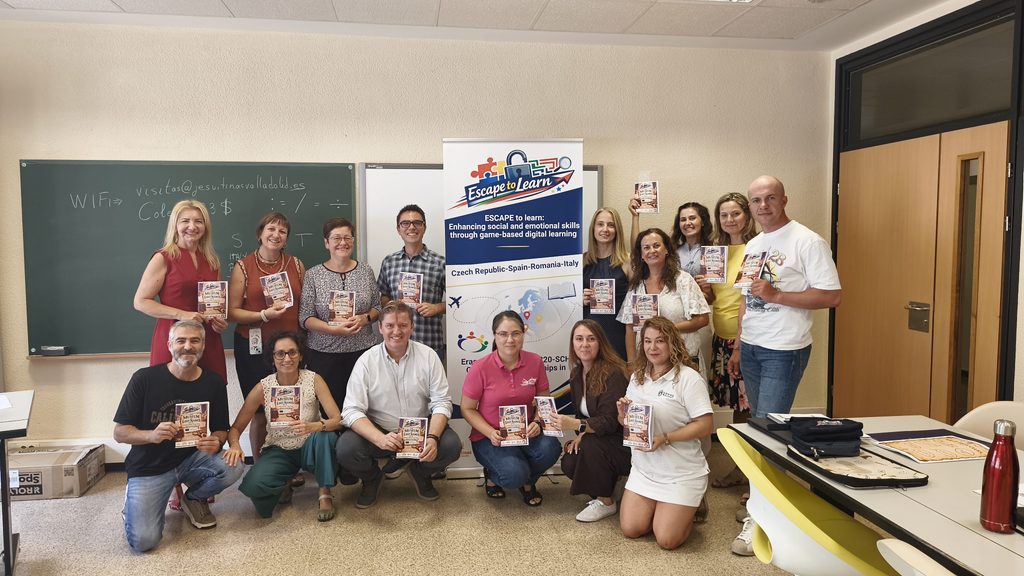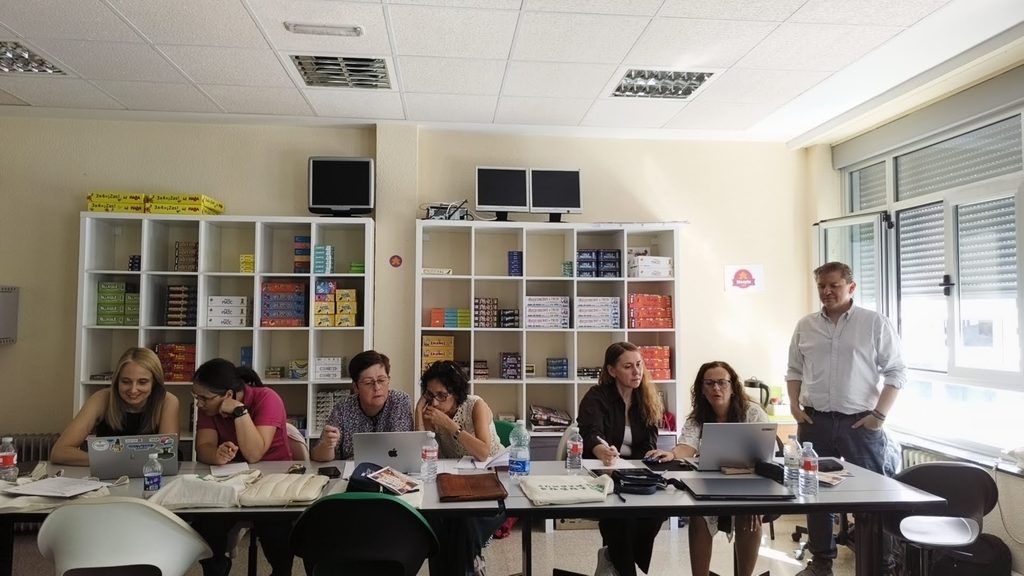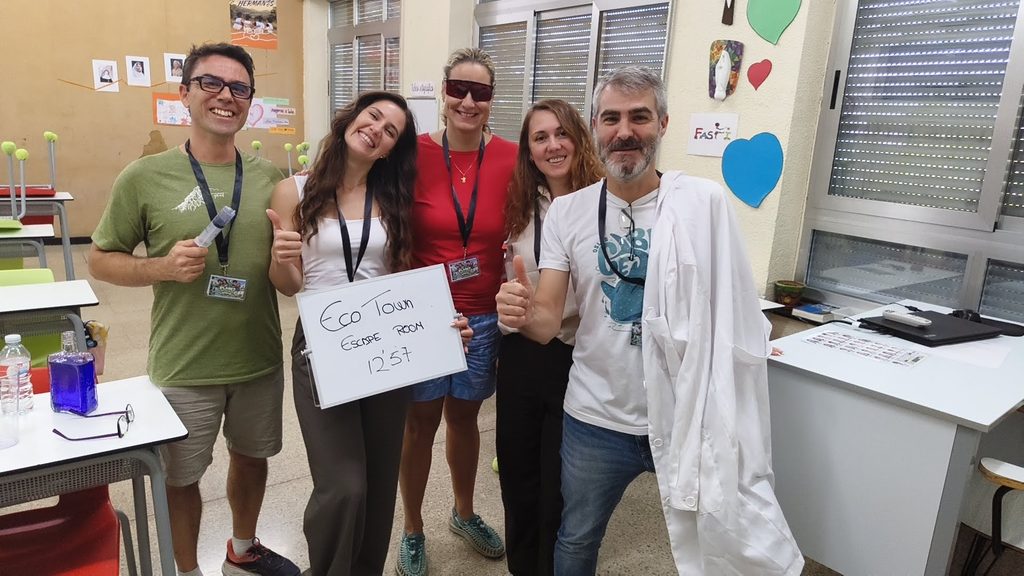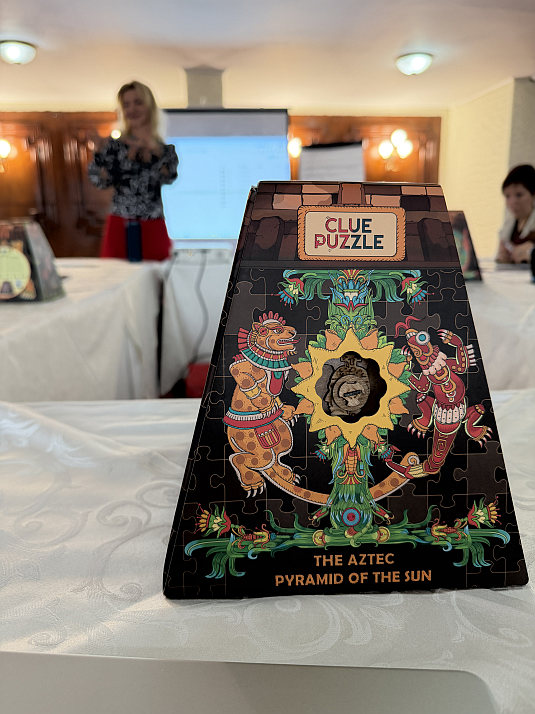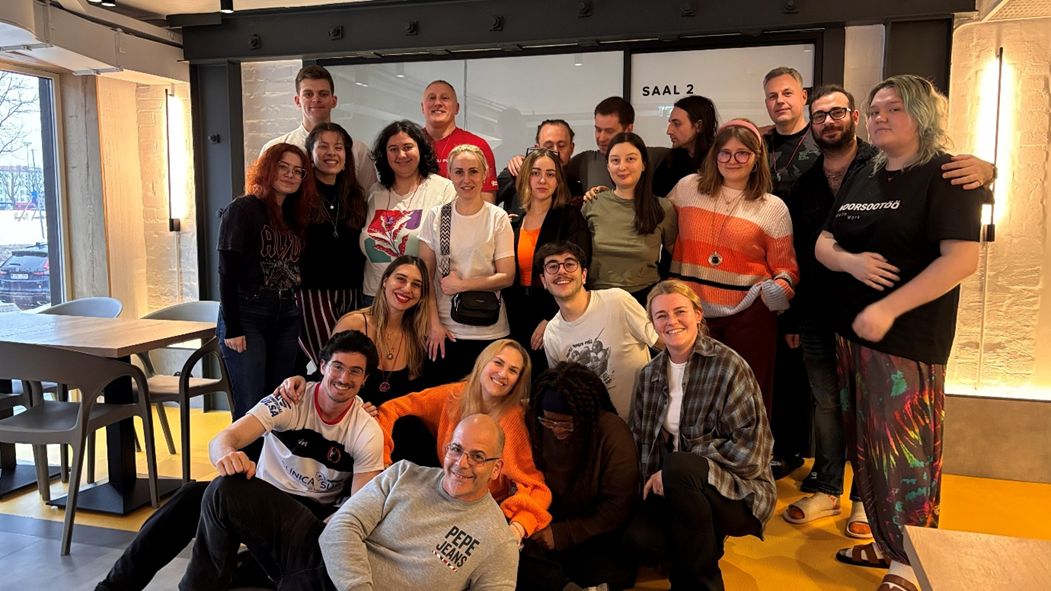
The Erasmus+ project Escape-ED has reached an important milestone in the development of its educational methodology with the completion of its Learning, Teaching and Training Activity (LTTA), held in Valladolid, Spain, from 25 to 29 September 2026. Hosted by Fundación Educativa Jesuitinas – Sagrada Familia School, with the collaboration of Ludus Magnus, the activity brought together project partners to test, evaluate and refine the educational escape rooms developed during the previous months.
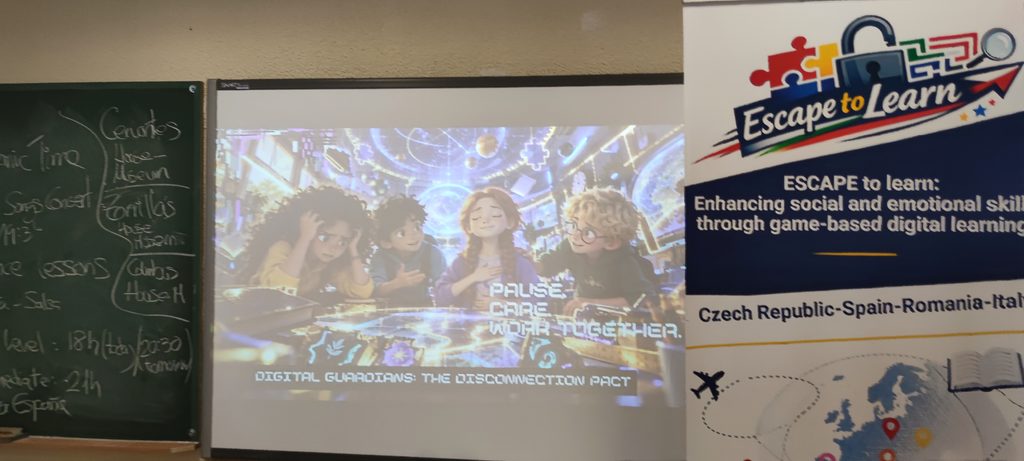
Over several intensive days of training and collaborative work, participants experienced and evaluated 13 educational escape rooms, combining digital and analogue formats, designed for use with primary school pupils. The activities integrate curricular learning with the development of social and emotional learning (SEL) competences, addressing cross-cutting topics such as family relationships, gender equality, sustainability, diversity and inclusion, and digital wellbeing. The escape rooms cover different curricular areas, including Social and Natural Sciences, Mathematics, languages and Geography, while encouraging skills such as collaboration, communication, emotional regulation, empathy, decision-making, coping strategies and responsible problem solving.
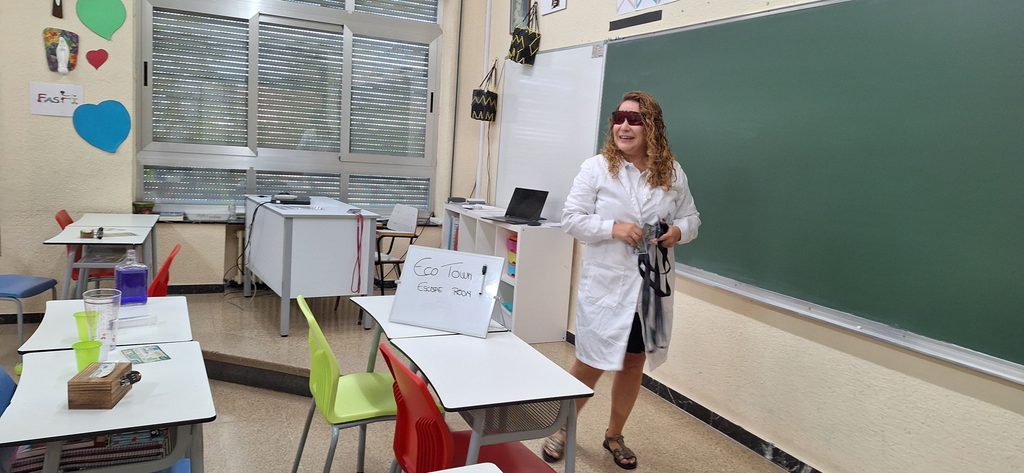
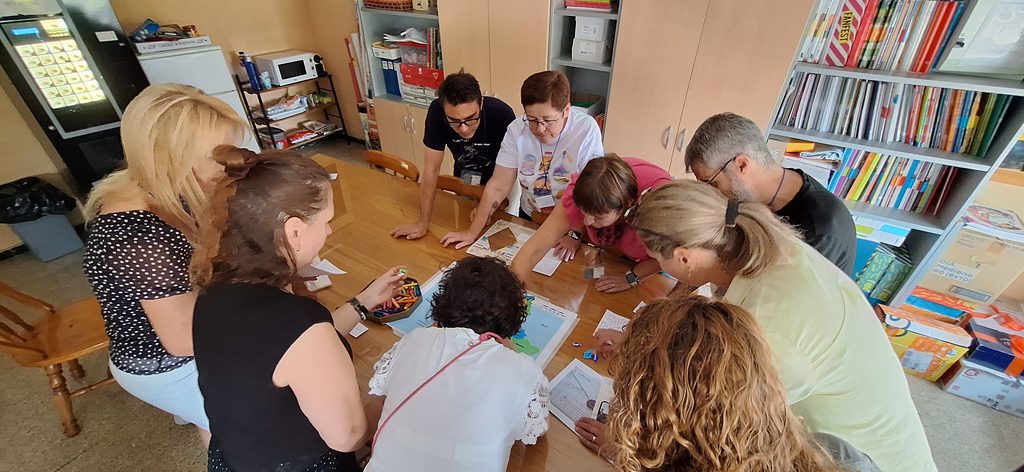
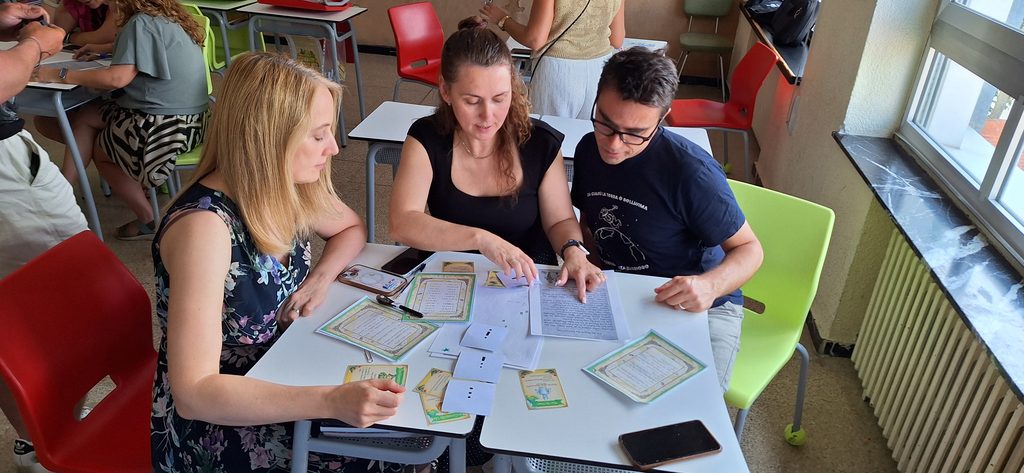
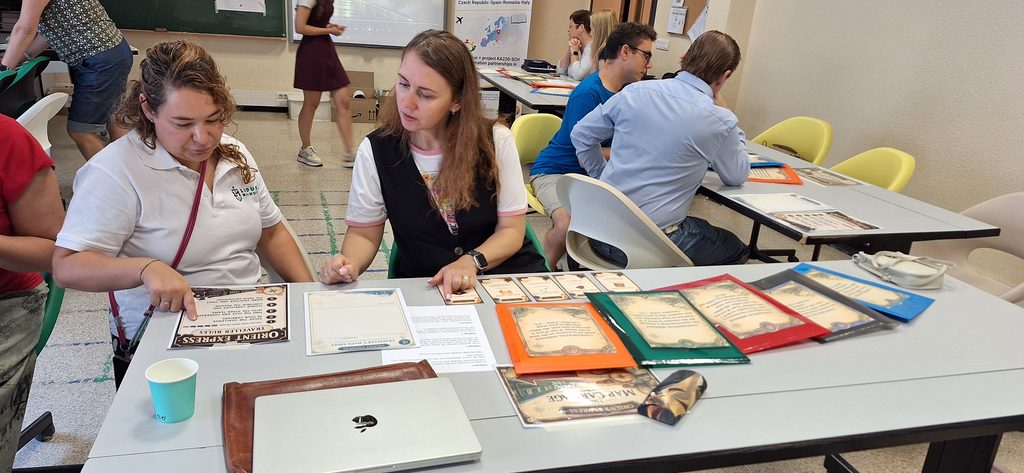
The LTTA provided an opportunity to experience every escape room from the perspective of future users and teachers. Each session combined preparation, gameplay and evaluation, allowing partners to identify small adjustments in narratives, instructions, challenges, materials and classroom implementation. The final day was devoted to a comprehensive evaluation of the complete set of escape rooms and to agreeing on the next stages of the project.
All 13 escape rooms were successfully tested, confirming the potential of the methodology developed within Escape-ED. Beyond improving the games themselves, however, one of the most important outcomes of the Valladolid LTTA was the work carried out on debriefing. The escape room is not intended to end when pupils solve the final puzzle: after each experience, teachers will guide students through a structured reflection process aimed at helping them identify what happened during the game, how they reacted to challenges, how they collaborated with others and what they can transfer from the experience to everyday situations. In this way, gameplay becomes the starting point for explicit reflection on social and emotional competences.
Following the Valladolid meeting, partners will now complete the final revision of the escape rooms and their debriefing sections, prepare and translate the necessary materials, and carry out an additional validation process involving teachers and experts. The project will then move into its implementation phase. From January to June 2027, the methodology is expected to be piloted with 200 primary school pupils, 50 in each participating country, collecting student feedback and assessing its impact on social and emotional competences. The results will contribute to evaluating the effectiveness and scalability of the Escape-ED methodology.
The Valladolid LTTA therefore marks the transition from design to classroom implementation. After months of developing educational escape rooms, the partnership now has a tested and refined collection of game-based learning experiences ready for the next challenge: bringing Escape-ED into primary school classrooms and examining how escaping from a game can help children develop skills that extend far beyond it.