
Ludus Method
The Ludus Method is based on the use of modern board games to develop academic competences, strengthen soft skills, and stimulate cognition. The key is selecting the right games for the target audience and the intended objectives. Often, it is necessary to create supporting materials or adapt the games to enhance learning outcomes. The role of the facilitator is essential to maximize the method’s educational value and ensure its success.
The Ludus Method also includes how we apply gamification across different educational settings, making the learning process more motivating, increasing learners’ engagement, and creating memorable experiences that leave a lasting impact.
In 2017
We created the educational innovation group GAMEBOX at the Universidad Europea Miguel de Cervantes, where we have been teaching for many years. The group was founded with the aim of developing generic competences in university degrees through modern board games (MBGs).
At the beginning, we published a post on LaBSK asking which generic competences in our degrees could be developed through modern board games and which titles the community would recommend. We received responses from 17 people (with 13.5±11.4 years of experience with modern board games; 41% teachers, 24% IT professionals, and 35% from other fields), who suggested more than 100 games.
After an in-depth analysis, we selected eight key games: Pandemic, Catan, Forbidden Island, Hanabi, Werewolf, The Resistance: Avalon, Dixit, and Once Upon a Time. We implemented them across six sessions with 22 first-year university students.
The results were very encouraging: students reported that the games strengthened the competences for which they had been selected, highlighting improvements in decision-making, interpersonal skills, and leadership.
Between 2018 & 20
We continued working in the same direction and, to refine our methodology, we invited several experts in Game-Based Learning (GBL). This gave us the opportunity to collaborate closely with Jordi Martín and Pepe Pedraz.
In 2018
We took part in the Erasmus+ KA2 project The gamification of employment, an international collaboration between partners from Portugal, Romania, Italy, and Spain. The aim was to develop a board game-based learning methodology (MBBL) to strengthen soft skills that support employability.
Our role involved selecting the most suitable games, designing supporting materials (educational worksheets), structuring the sessions (instructions and step-by-step guidance), defining the facilitator’s role, and guiding the post-game reflection. The games used were Story Cubes, Pandemic, Bohnanza, Unlock!, and Mysterium, delivered across a total of seven workshops.
In 2020
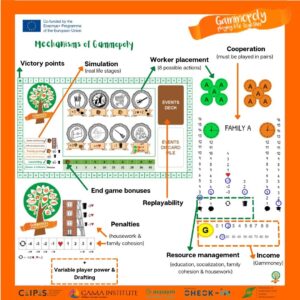
We participated in the Erasmus+ KA2 project Gammopoly, where we were tasked with creating a serious game (an educational game) focused on the emotional and social development of couples. Together with psychologists, researchers, and board game experts, we developed Gammopoly, a worker-placement game designed for 2-player teams (real or simulated couples), for up to four couples.
The game simulates different stages of a relationship, from dating to the later years of life. It includes a basic version for recreational play and a specialised manual for use in couples therapy.
From 2021
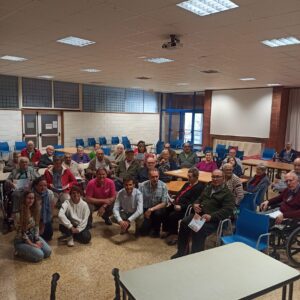
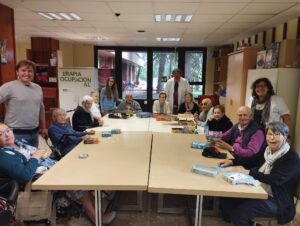
We have continued to develop our Modern Board Game-Based Learning methodology by designing educational materials, creating game adaptations, and building a database that links modern board games to competences and soft skills. In 2023 and 2024, we carried out research projects in collaboration with UEMC and the Provincial Council of Valladolid, applying MBBL in residential care homes to improve older adults’ quality of life.
We are currently involved in an Erasmus+ KA220 project aimed at promoting values education among parents of primary school pupils through board games. In the 2024–2025 academic year, we implemented the Ludo Skills programme at UEMC to foster university students’ social skills, creativity, teamwork, and wellbeing.
If you are interested in our trainings, you can explore Ludus Magister or contact us so we can design a tailor-made programme for you.